Kiln · Founded 1804
幸兵衛窯
Koubei-gama
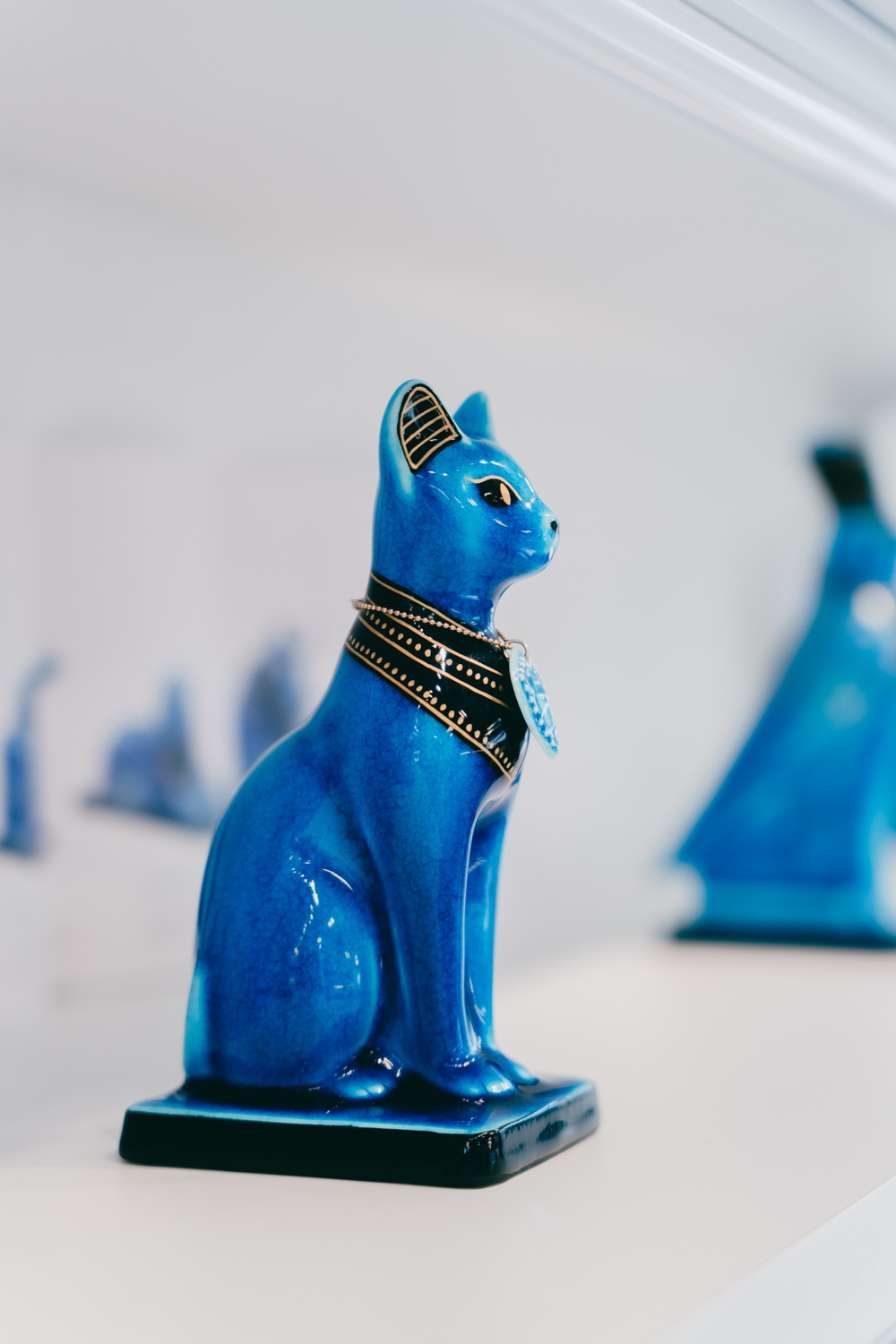
Founded in 1804 in the village of Ichinokura, Koubei-gama was once an official kiln supplying ceramics to Edo Castle. The sixth-generation master, Kato Takuo, was designated a Living National Treasure of Japan for his work in Sansai (three-color glazes), and is internationally recognized for reviving the lost Persian Luster glaze and the Sansai of the Shosoin imperial treasures. Two centuries of glaze research, under one roof.
Kiln · Toki, Gifu · Shittou Soukichi
宗山窯
Souzan-gama
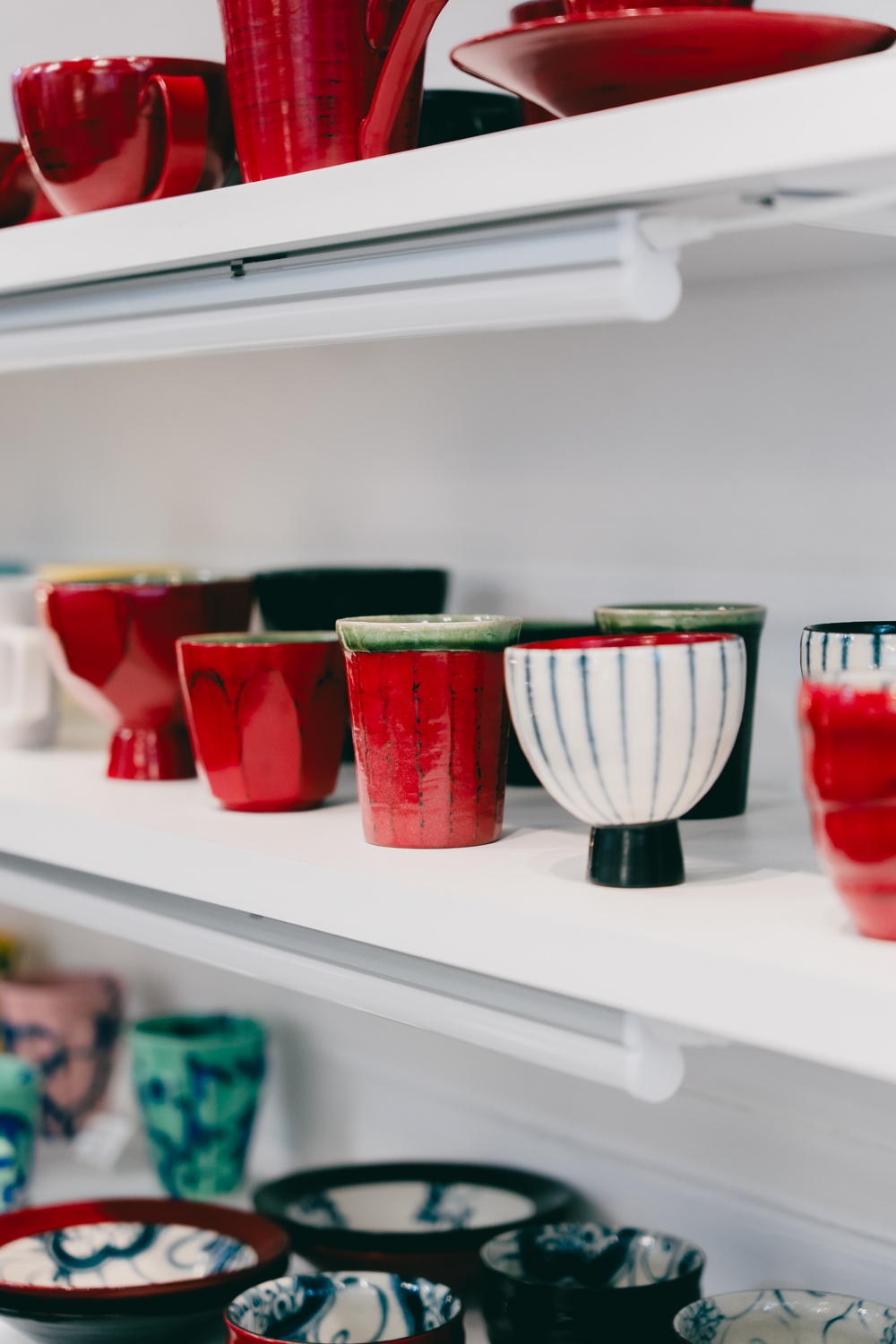
Souzan-gama is the kiln behind Shittou Soukichi — a craft that brings together two of Japan's oldest traditions: ceramics and urushi lacquer. Each piece begins as a Mino-yaki form, then receives layered coats of natural lacquer. In the Negoro technique, red is laid over black; in Akebono, black is laid over red. As the piece is used over the years, the top layer gently wears away to reveal the color beneath — a built-in record of countless meals. Naturally antibacterial, warm in the hand, and quietly evolving with daily use.
Kiln · Founded 1868
晋山窯ヤマツ
Shinzan-gama Yamatsu
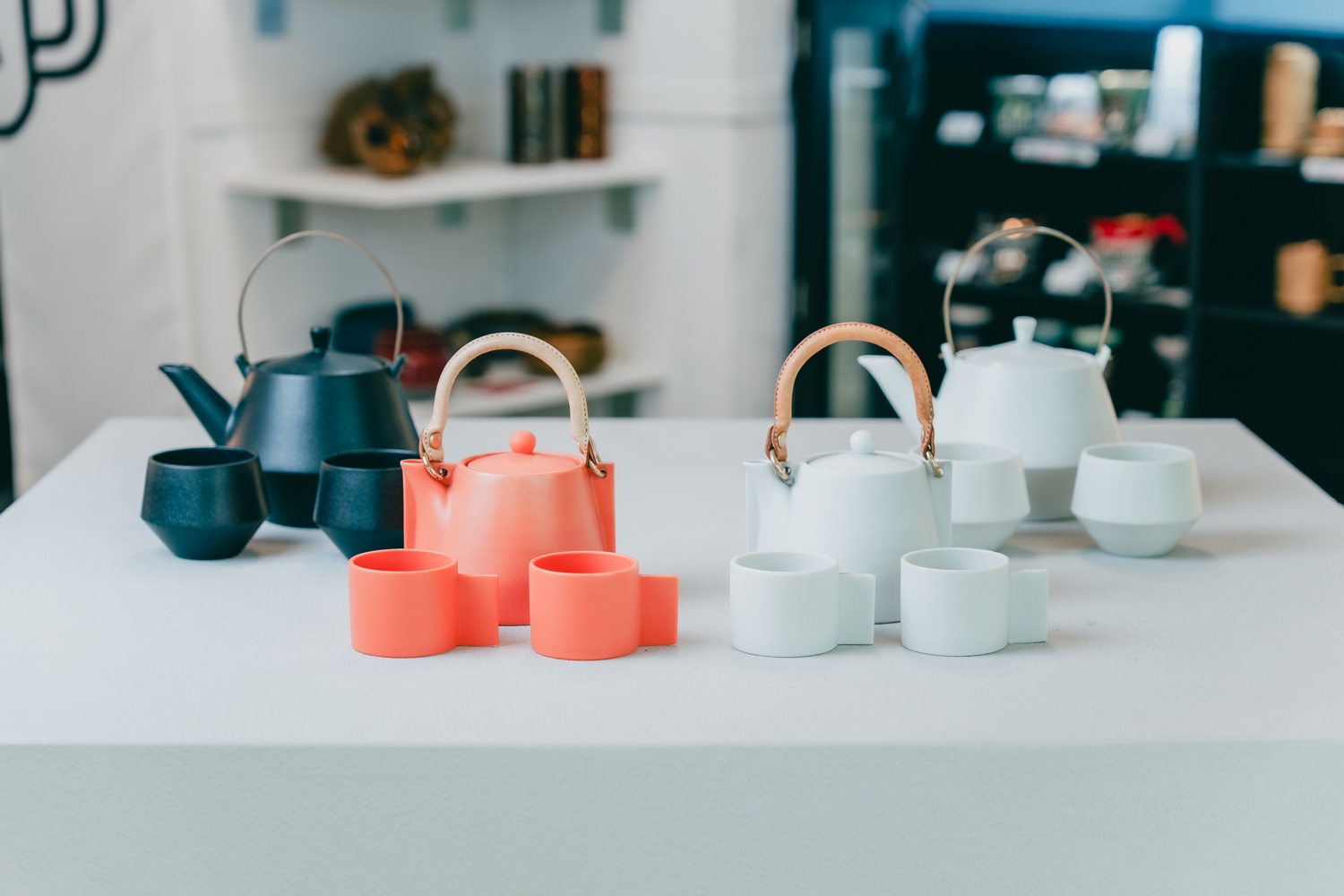
A 150-year-old kiln in Toki, now led by its fifth-generation owner. Shinzan-gama specializes in white-bodied tea ware — teapots, cups, and tea sets that meet the precise demands of restaurants and tea masters. In 2020, the studio won the Red Dot Design Award, one of the world's leading design honors.
Kiln · Mino, Gifu
丹山窯
Tanzan-gama
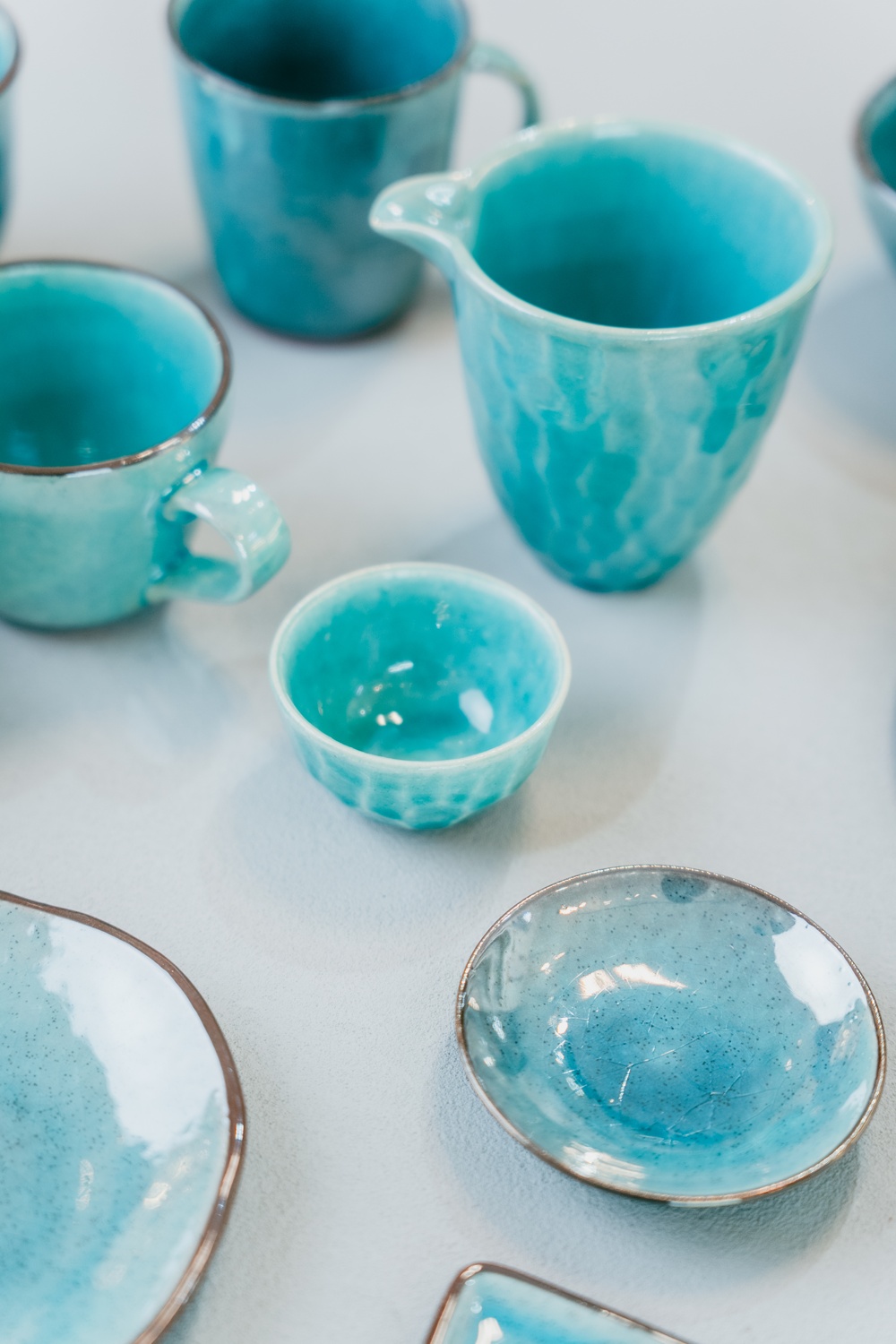
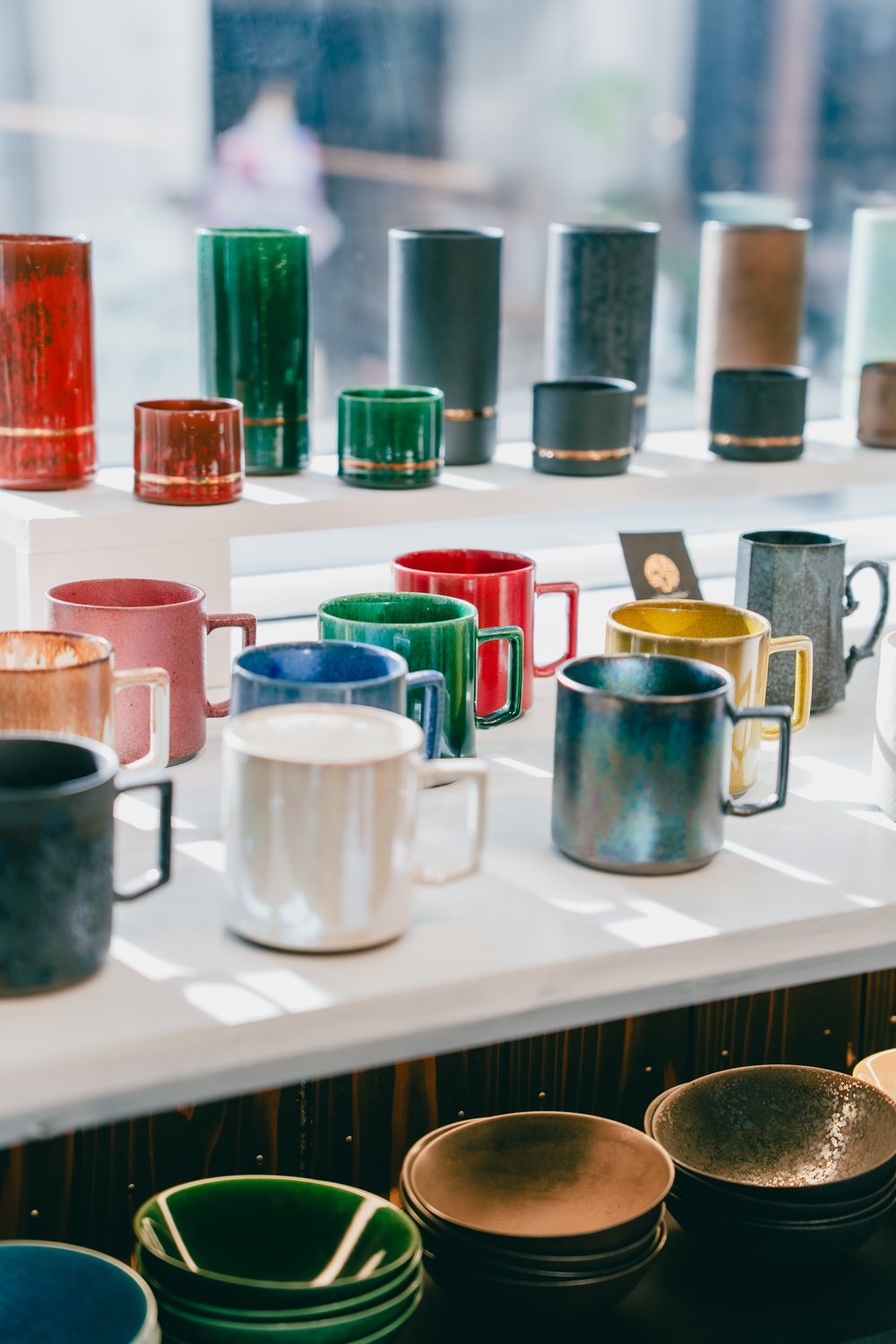
A Mino kiln working in a turquoise glaze that pools and flows like shallow water — no two surfaces ever quite the same. The line covers a whole table: mugs, a katakuchi pitcher, guinomi cups, and small plates finished with a thin metallic rim. Pieces made to be used every day, not admired from a shelf.
Artist · b. 1974, Toki
林 英樹
Hayashi Hideki
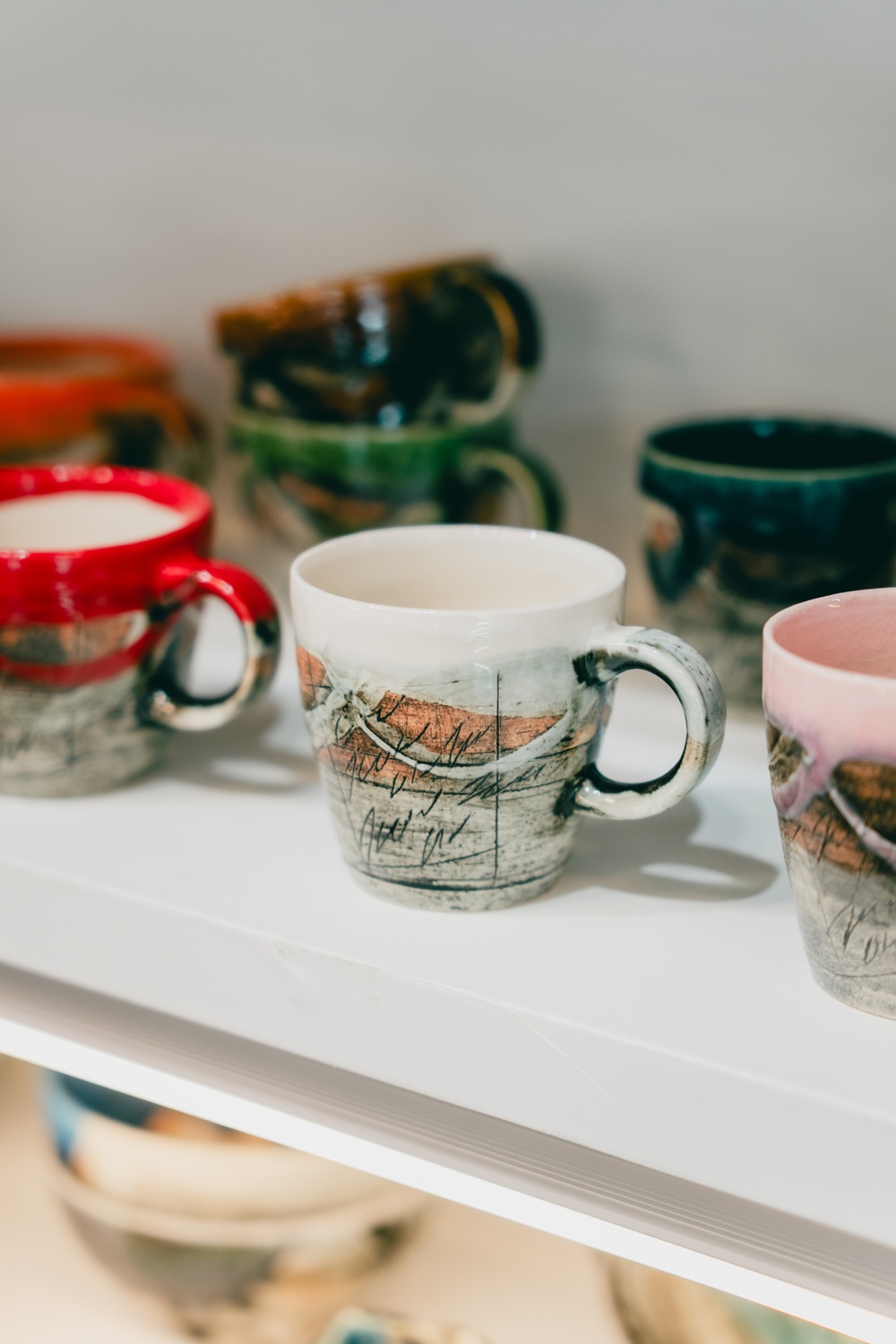
Born and raised in Toki, the heart of Mino-yaki country, Hayashi works at the family kiln Tsururin-gama (鶴琳窯). His signature technique — nishoku-senkoku, or two-color line carving — gives his bowls, plates, and cups a graphic, almost architectural quality. In 2018, he was invited to exhibit in Faenza, Italy, a city long considered a global capital of ceramic art.
Artist · b. 1992, Yokosuka
宮下 将太
Miyashita Shota
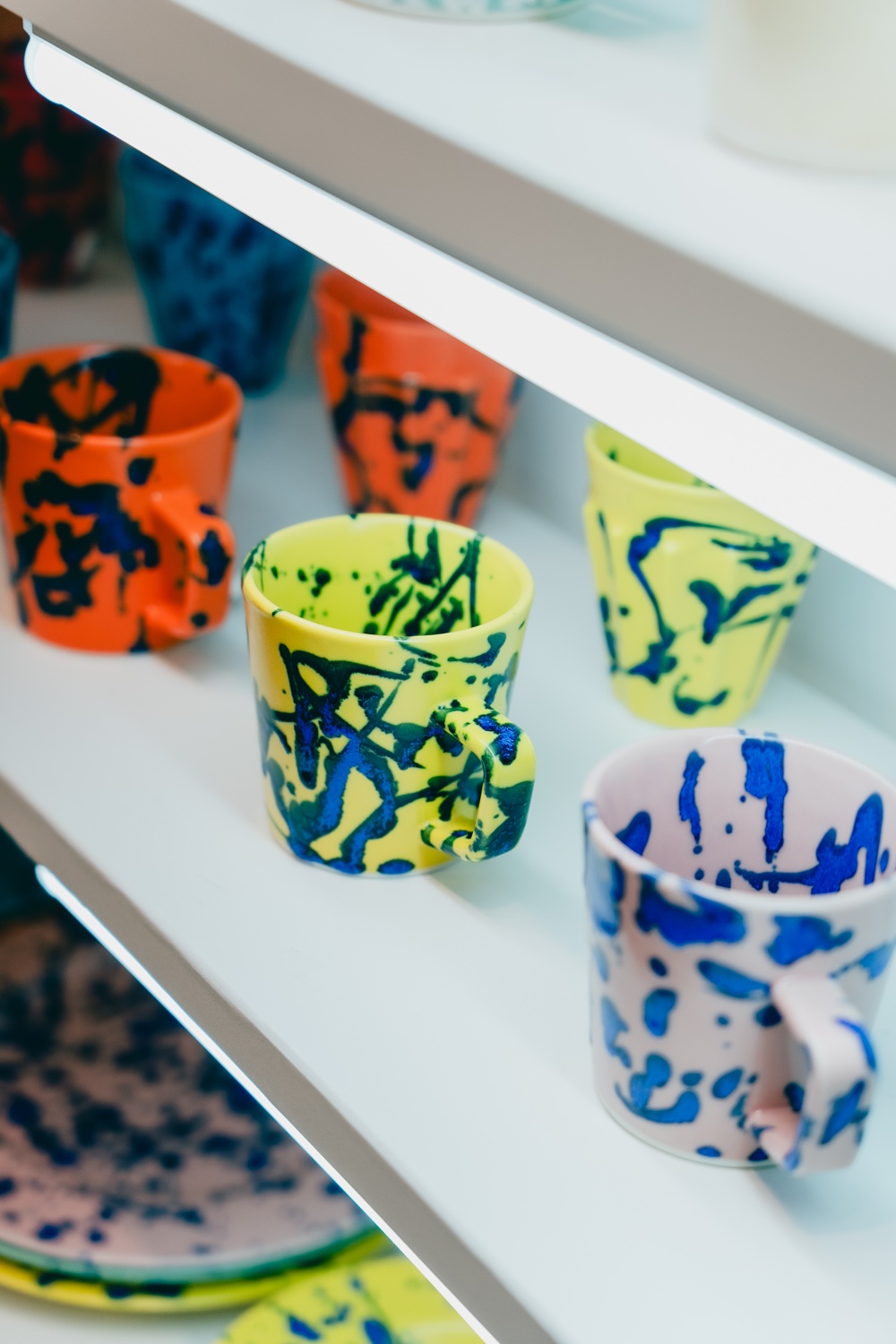
A former hairstylist in Tokyo's Omotesando, Miyashita moved to Toki in 2017 and opened his studio in 2019. His approach is unusual: glaze compounds measured to 0.001 grams, kiln temperatures controlled to the degree, and a small team of specialists handling each stage of production. The result is a body of work that is technically rigorous and unmistakably contemporary. His pieces have been shown in Shanghai, Dubai, and France.
Artist · b. 1974, Tajimi
安藤 寛泰
Ando Hiroyasu
Based at Jusen-gama in Tajimi, Ando is a leading practitioner of crystalline glaze — a notoriously difficult technique in which crystals bloom across the surface as the kiln cools, no two pieces ever the same. His work has found patrons among Japanese fine-dining restaurants and international collectors looking for ceramics that read as living surfaces.
Artist · Kyoto → Tajimi
北川 和喜
Kitagawa Kazuki
Born in Kyoto, trained in product design at Kyoto Saga University, and now working in Tajimi after studying at the Tajimi Ceramic Design Research Institute. Kitagawa uses slip-casting — a method that could easily produce identical objects — and deliberately varies the glaze chemistry every firing. The result: pieces with the precision of design and the singularity of craft. No two are ever alike.
Studio · Wearable Ceramic Art
hacchi
hacchi
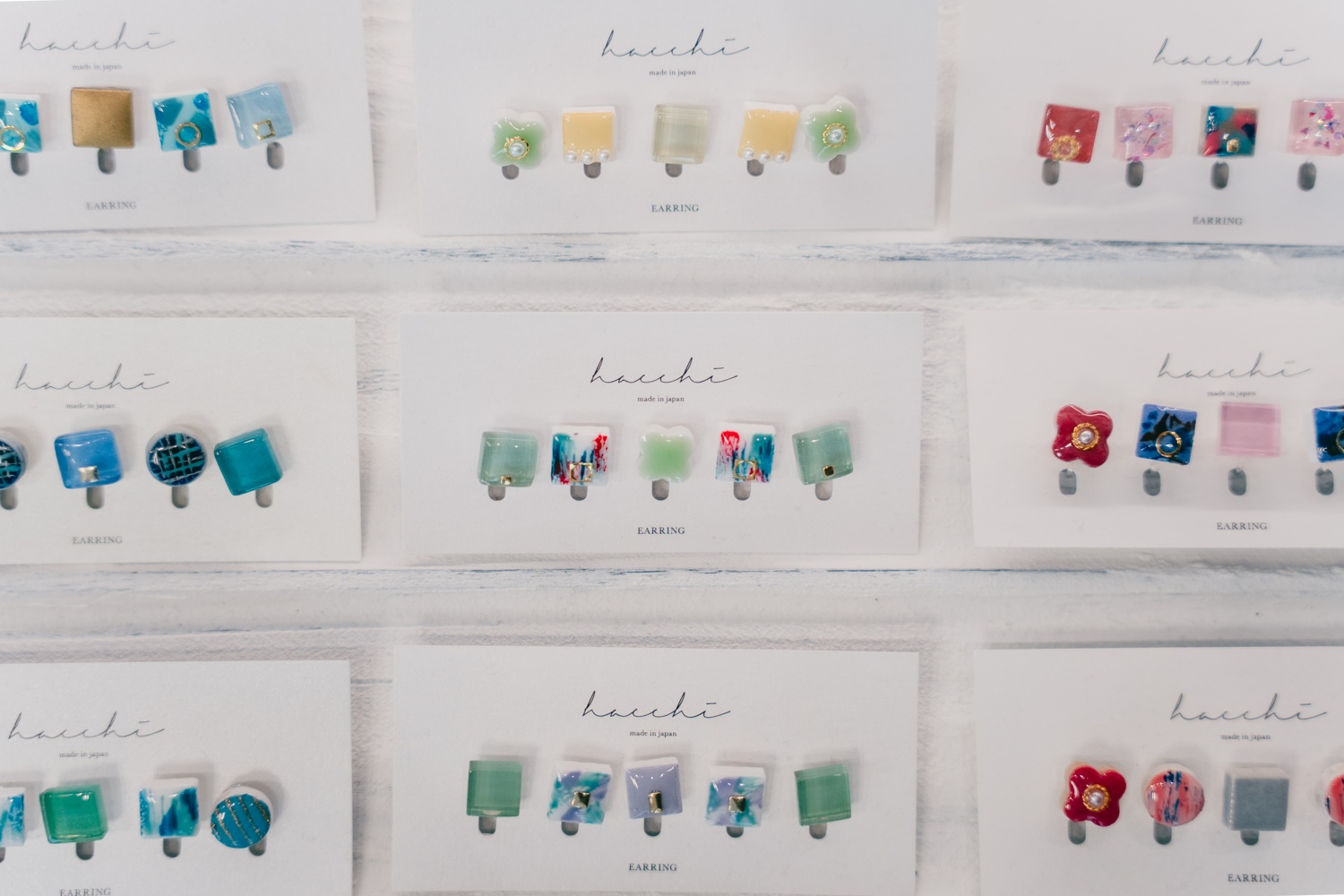
A studio that takes Mino-yaki out of the cupboard and onto the body. Working with Mino tiles, hacchi designs earrings and ear pieces sold in five-piece sets — each piece a different pattern or color, so the wearer can mix them as a small daily edit. Ceramic, but as clothing.
Studio · Founded 1961, Mizunami
Awasaka
アワサカ
Based in Mizunami, in the easternmost reach of Mino-yaki country, awasaka has been designing original tableware, gift pieces, and everyday objects since 1961. A maker that bridges the worlds of artist studios and industrial production — bringing thoughtful design to the kind of ceramics that quietly furnish a home.
The shelves you see online are a partial view.
Detailed maker stories, kiln visits, and pieces held in the back room — work that never reaches the floor — are best shared one to one. Tell us who interests you.
Make an inquiry